
Daily fantasy is a different mindset from season-long leagues. You don’t need a “perfect roster for six months”—you need the best lineup for one slate, under one salary cap, against a specific field of opponents.
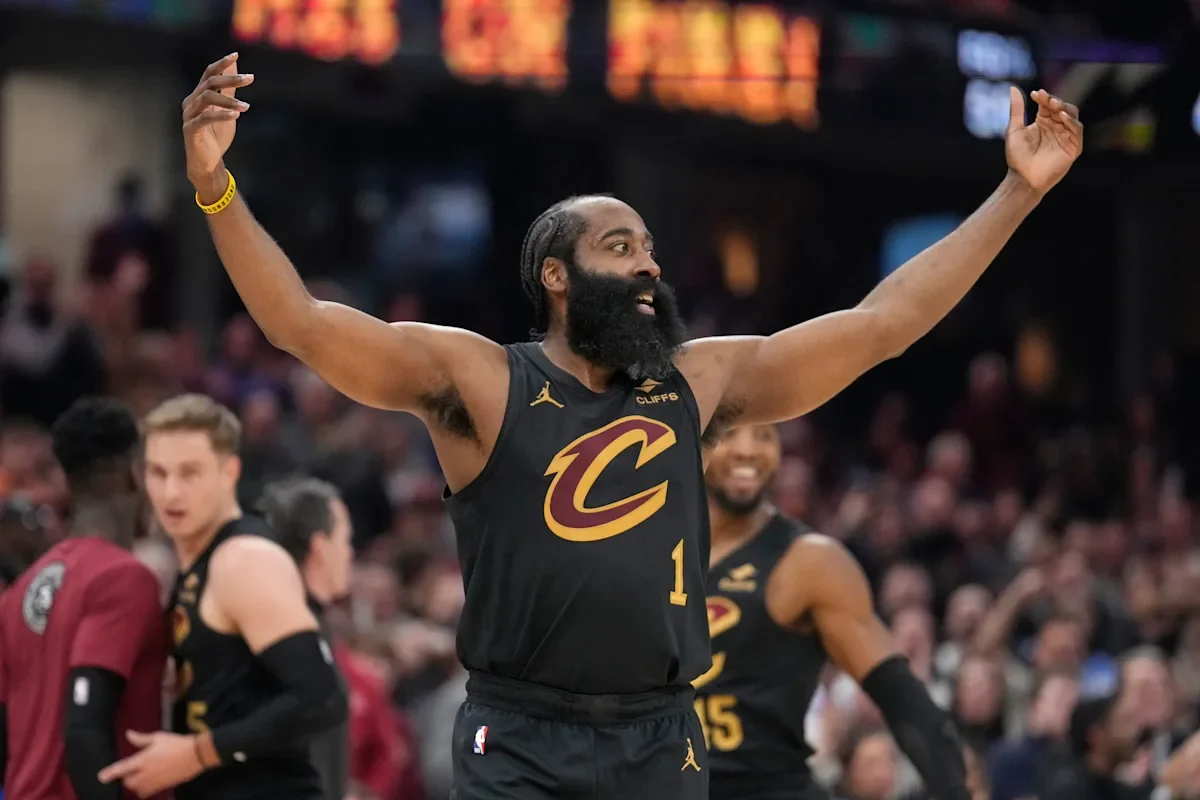
NBA DFS strategy for small slates
On short slates, player pools are tighter and ownership becomes more concentrated. That means a single “chalk” value play can decide the night. Instead of trying to be different everywhere, pick one or two spots to take a calculated stand and keep the rest of your lineup stable.
Three signals worth checking
- Minutes projection: role beats talent on a single night.
- Pace and totals: more possessions usually means more fantasy events.
- Matchup context: size, foul risk, and back-to-backs change rotations.
Salary cap lineup building
A common mistake is forcing “stars and scrubs” every slate. Sometimes mid-range balance wins because it avoids zeroes. Build around a core you trust, then fill the remaining spots with value that has clear minutes and a realistic path to 6–7x return.
Simple build order
- Choose one high-floor stud you expect to play full minutes.
- Lock in the best value minutes (injury replacements, role changes).
- Decide if you need one contrarian piece for upside.
- Use the last spot to correlate with your core (same game, same pace).
GPP vs cash games: picking the right contest
Your lineup should match your contest. Cash games reward safety; tournaments reward upside and uniqueness. If you enter a tournament with a “cash” build, you often finish in the middle—safe, but not paid.
| Contest type | Goal | Lineup style |
|---|---|---|
| Cash (50/50, double-up) | Beat half the field | High floor, low risk |
| Single-entry GPP | Top-heavy payout | One strong contrarian angle |
| Multi-entry GPP | High variance | Multiple builds, controlled exposure |
Late injury news and swaps
News is the edge that never goes away. When a starter sits, backup minutes can become the best value on the slate. If your site supports late swap, keep at least one flexible position so you can react without rebuilding the entire lineup.
Quick swap checklist
- Save salary flexibility when possible (don’t spend every dollar).
- Keep one spot open from the latest starting game.
- Don’t chase every alert—swap only when the minutes change.
Daily fantasy basketball tips
Make the game repeatable: use projections, but apply common sense. If a player needs a career night to hit value, it’s a tournament-only play. If a player can hit value through minutes and rebounds alone, that’s a safer building block.
Related reading: Season-long draft strategy and Scoring rules guide.
Author’s note
My opinion: the secret in daily fantasy is discipline. Build a process you can repeat, accept that some nights fail, and focus on making good decisions—not on chasing the last slate’s results.